

Computer/Internet Timeline
As someone who studied computers/IT for 3 years, I absolutely love the tech world and I especially have a love for the history of the Internet/Computers. So I have created a timeline of the biggest milestones in Internet history. (Yes I am an absolute nerd about it).
1961-65
The first recorded year when the concept of 2 computers communicating with each other was brought about by a man named "J.C.R Licklider of MIT, where he was discussing a concept of his that he liked to call the "Galactic Network." (So futuristic right??) He basically envisioned the internet, computers that could send information to another and access "sites" with global information that was accessible by any computer. He presented the idea and was taken seriously on this concept, marking the beginning of it being looked into and the journey to the internet.
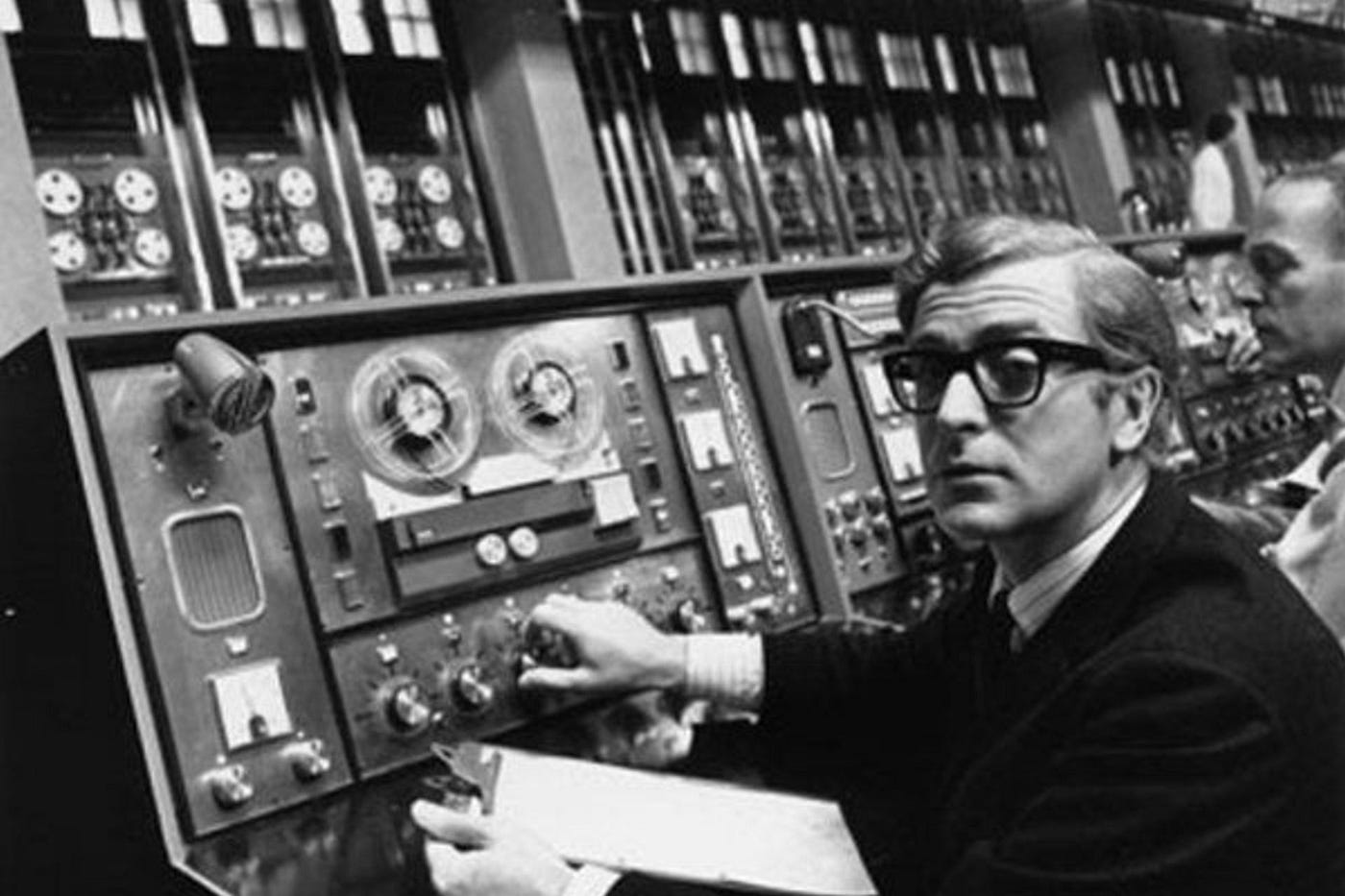
In July of 1961 a paper was published on something called the "Packet Switching Theory" by a man named "Leonard Kleinrock." Which is the concept in which computers today use to send and receive data. In 1964 the first book was published on this theory, explaining that packets can be used instead of circuits which was one of the stepping stones towards how the internet is today. (Packets are data/information broken up into tiny digestible chunks for the computer, and then sent to the receiver where all the chunks are put back together to form the original data sent) Now in 1965, the theory of 2 computers being able to communicate with each other was put into practice. Kleinrock working with a man named "Thomas Merrill", Lawrence G. Roberts (MIT Researcher) connected up a TX-2 computer in one state, to a Q-32 computer in a state about 4,800km away from each other. They used a low speed, dial-up telephone line creating the first ever WAN! (Wide-Area-Network) although it was very small at the time. They worked out that two computers could communicate well and send-receive data. But, the phone line was not good for the job and proved Kleinrock's packet switching theory to be true.
1966-70
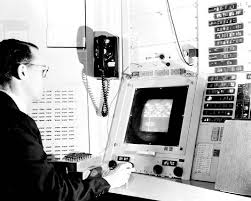
In late 1966, Roberts started to develop the computer network concept and quickly put together his plan for something called the "ARPANET". (ARPANET was the world's first operational packet-switching network, so basically the framework for the internet now, and how we send-receive things.) Also apparently multiple researchers, some from the military, some from MIT and NPL had all written about the same packet switching idea without any of them knowing! (Crazy right??) In 1968 Roberts and the funded community "DARPA" (who he went to develop his concept) had gotten an overall structure of the concept.
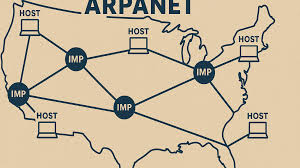
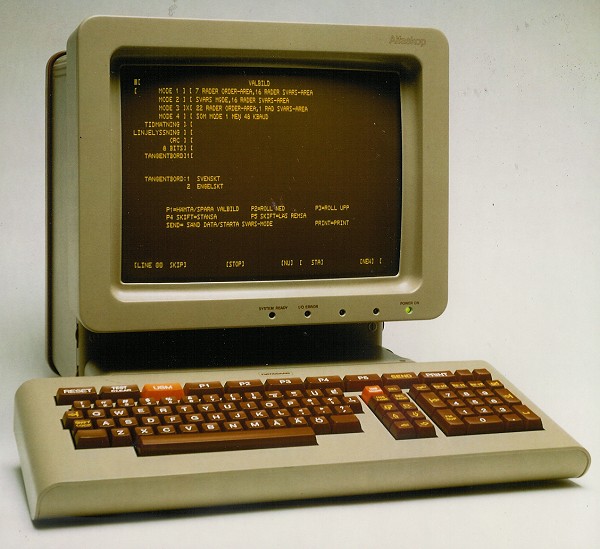
Anyways so a bunch of other things that help shape the internet and computer's ways of communication were all developed in this time like a host name/Address mapping while the concept was put into play, and the first host computer was connected at UCLA. Another host computer was set-up at a different location, and the two of them were connected up, and the first host-to-host message was sent. By the end of 1969, 4 host computers were all connected up together into the initial ARPANET and the first stage of the internet, was taking off. By 1970, works proceeded on a completely functional Host-to-Host protocol and other network software.
1971-72
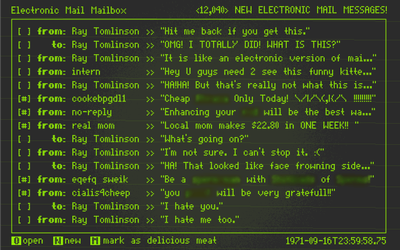
Computers were added quickly to the ARPANET during the following years and was getting even more bigger, being shown to the public properly for the first time. In 1972 the new application "Electronic Mail" was introduced. A man named "Ray Tomlinson" at BBN wrote the basic Email message send and read software for the people of ARPANET to have an easy coordination mechanism. Roberts then expanded it's use by programming it to list, selectively read, file, forward and respond to messages. And from there, email took off as the most popular network application.
1973-75
By 1973, thirty different institutions were connected up to ARPANET. And not just small institutions, government sites, consulting firms, industrial installations and many big corporations were using it. DARPA (Was changed from ARPA to DARPA (ARPANET)) was looking for ways to extend it's reach to further outside of the US. So, Packet Radio Sites are modeled across seven computers on 4 islands, in which a satellite connection allows the link between two foreign connections outside of the US. Like in Norway and the UK! With this, comes a new protocol to allow net-to-net connection from 2 foreign places. And with this, comes the introduction of TCP (basic networking protocol). During this time, a wire-based system model was being worked on to allow for LANs (Local Area Networks (Networks within an area, like a school or an office)) which would become Ethernet. (Wired technology that allows devices to connect within a LAN, like for example computers in a library or school).
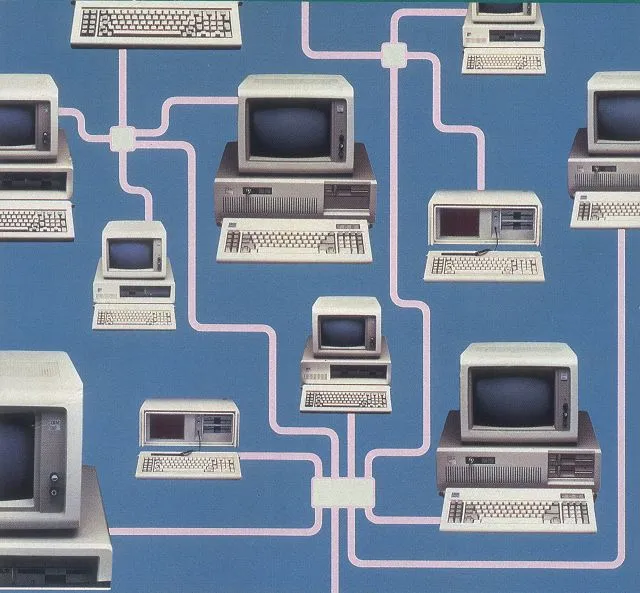
In 1973, Ethernet was first tested at a research facility called "Xerox PARC" where 2 inventors hooked up their computers and a printer using a shared cable. They also needed to test what would happen if multiple packets were sent at the same time, causing an overload called a "data collision." They wanted to make sure the computers halted all transmissions, waited for a certain amount of time and then tried again. They tested the system by transmitting packets of data and deliberately triggering data "collisions" to test how it responded across the Ethernet connection.
In 1975, Licklider (Remember him?) moves the admin to be turned over to DCA (Defense Communications Agency) who becomes responsible for the networking operations, aggreeing to release the source code for IMPs and TCPs (The TCP protocol and the IMP protocol which is responsible for how data moves). Because of this, NASA begins planning it's own space physics network called "SPAN." (LOL kinda sounds like SPAM). These networks have connections to the ARPANET so the TCP protocol which was still quite new, was very much tested on it's capabilities.
1976-79
So, in 1976 at UC Berkeley (A research University) researchers are working on a UNIX system that incorporates TCP/IP protocols and not only that, but working on a protocol that allowed systems to use a dial-up connection (We will get into that later down the page). The researchers also came out with a first super-computer that can apply a single instruction to arrays if data, rather than one at a time which no computer could do at this point. It's hardware was more compact and it worked much faster than any computer, (At about 12.5 nanoseconds which is a billionth of a second).

!!This website is currently still being worked on!!

Here are the button-links to the various other parts of my site !!


Last updated: 29/05/26
